Home Appliances

OnePay Cash: rewards debit at Walmart
Earn 3% cash back. Terms apply.Learn more

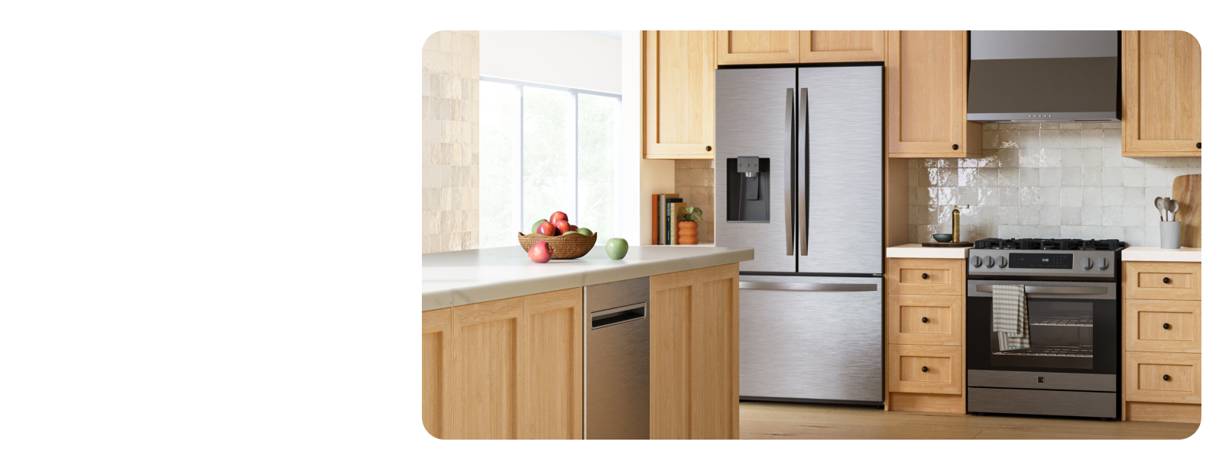
Kenmore, Element & more

Top brands you’ll love

Shop now

Major appliances for less

Don’t miss out on upgrades for your home.

View all

FAQ

What important features should I look for in a refrigerator?

When choosing a refrigerator, consider these key features to find the right fit for your kitchen:

  • Size and Capacity: Measure your space to ensure the refrigerator fits while providing sufficient storage.
  • Style: Options include top-freezer, bottom-freezer, side-by-side, and French door designs.
  • Energy Efficiency: Look for ENERGY STAR certified models to help reduce energy costs.
  • Storage Options: Features like adjustable shelves and crisper drawers enhance organization.
  • Dispenser Features: Ice and water dispensers provide convenient access to chilled drinks.
  • Finish: Select a finish that complements your kitchen decor, such as stainless steel or matte.

These aspects can guide you in selecting a refrigerator that meets your needs and complements your kitchen.

How can I ensure my appliances operate efficiently?

To keep your appliances running smoothly, consider these helpful tips:

  • Regular Cleaning: Dust and debris can affect performance, so clean refrigerator and freezer coils regularly.
  • Check Seals: Ensure door seals on refrigerators and ovens are tight to prevent energy loss.
  • Adjust Settings: Follow the manufacturer's guidelines for optimal temperature settings.
  • Avoid Overloading: Do not overcrowd appliances, as this can disrupt airflow and efficiency.
  • Schedule Maintenance: For complex appliances, professional servicing can help maintain optimal performance.

Implementing these practices can help prolong the life of your appliances and improve their efficiency.

What advantages do ENERGY STAR certified appliances offer?

Selecting ENERGY STAR certified appliances comes with several benefits:

  • Energy Savings: These appliances consume less energy than standard models, potentially lowering your utility bills.
  • Environmental Benefits: By using less energy, they contribute to reducing greenhouse gas emissions and your carbon footprint.
  • High Performance: ENERGY STAR products meet strict efficiency standards while providing excellent performance.
  • Financial Incentives: Many utility companies provide rebates for purchasing ENERGY STAR appliances, enhancing your savings.
  • Durability: These appliances often come with extended warranties and are designed for longevity, making them a smart investment.

Choosing ENERGY STAR certified appliances is a responsible choice that benefits both your wallet and the environment.

What factors should I weigh when selecting between top-load and front-load washers?

When choosing between top-load and front-load washers, consider these key distinctions:

  • Loading Method: Top-load washers allow loading from the top, while front-load washers have a front door.
  • Water Efficiency: Front-load washers typically use less water and energy, making them more environmentally friendly.
  • Cleaning Performance: Front-load models often provide a more thorough clean due to their tumbling action.
  • Space Requirements: Top-load washers need more vertical space, while front-load washers can be stacked with dryers to save space.
  • Cycle Length: Front-load washers generally have longer wash cycles but offer a wider variety of wash options.

Understanding these factors can help you choose the washer that best meets your laundry needs.

What are the essential steps for installing a built-in dishwasher?

Installing a built-in dishwasher involves several important steps to ensure proper functionality:

  • Prepare the Space: Clear the installation area and confirm the dishwasher fits properly.
  • Connect Water Supply: Securely attach the water supply line to the dishwasher to avoid leaks.
  • Drain Connection: Connect the drain hose to the sink or garbage disposal, ensuring it is secure and free of kinks.
  • Electrical Setup: If needed, connect the dishwasher to a power source, adhering to local electrical codes.
  • Level the Appliance: Adjust the feet to ensure the dishwasher is level for optimal performance.
  • Secure the Dishwasher: Use screws to attach the dishwasher to the cabinetry for stability.

Always refer to the manufacturer's installation instructions for specific guidance, and consider hiring a professional if you're unsure about any steps.

About Home Appliances - Walmart.com

Generators help you keep essential power available during outages, storms, jobsite tasks, and outdoor trips. You can compare wattage, fuel type, portability, and start options to match your home, tools, or travel setup.

How to choose generators for your power needs

You should start with running watts and starting watts, because that difference shapes what your generator can handle. You’ll need enough running wattage for steady use and enough starting wattage for motors that surge on startup.

When you list your refrigerator, sump pump, furnace fan, or power tools, you can estimate the output you need. You may prefer under 2000W units for light use, while over 8000W models fit larger backup needs.

You can narrow your options quickly by matching category types to your routine. You may want portable generators for flexible placement, inverter generators for quiet operation, or home standby generators for fixed backup planning.

Choosing between portable generators and inverter generators

Portable generators usually suit you when you need higher output for multiple appliances, tools, or outdoor equipment. You’ll often see open frame designs that support accessible power and simple refueling during longer runs.

Inverter generators make sense when you want quiet operation and clean power for electronics. You’ll often notice closed frame or quiet generators designs that help support low sound in campsites, tailgates, and neighborhood settings.

  • You can use portable generators for refrigerators, freezers, pumps, and worksite tools.
  • You can choose inverter generators when your devices need stable power for screens, chargers, and small appliances.
  • You can look for quiet generators if your setting calls for low noise and clear conversation nearby.
  • You can compare wheel kits, handles, and compact frames when portability matters.

Home standby generators fit you differently because they connect to a planned backup setup at home. You’ll usually compare them when you want broader household coverage and less manual setup during an outage.

Choosing fuel type, start type, and casing

You can choose gasoline models when you want a familiar fueling option for common backup and jobsite tasks. You may prefer dual fuel generators when you want flexibility between gasoline and propane availability.

Propane-ready options can help you store fuel differently and plan around longer shelf stability. Solar generators may suit you when you want battery-based portable power for light devices, lights, and charging needs.

You should also compare start type, because startup convenience changes how quickly you can get power going. You can pick recoil starts for simple operation, electric start generators for push-button ease, or remote start for added convenience.

Noise matters when you’ll use power around neighbors, campsites, or evening activities. You can compare open frame units with closed frame designs, and you can check decibel ratings for a clearer noise picture.

When you see lower decibel numbers, you can expect less sound at typical operating distance. You’ll often find quiet inverter technology helpful when you want a less disruptive backup or recreation setup.

What to look for in generators

You can shop with more clarity when you focus on features that affect setup, runtime, and everyday use. You should check outlet mix, fuel gauge visibility, wheel design, and panel layout before making your choice.

CO automatic shutdown is another decision point you may want to prioritize in your comparison. You can use that feature as an added safeguard, especially when you’re reviewing backup units for home use.

You should also look at runtime estimates at different load levels, because that affects refueling frequency. You can compare tank size with output to understand how long your generator may run between fill-ups.

Parallel capability can matter if you want to connect compatible inverter units for extra output later. You may also want covered outlets, transfer-switch compatibility, and clear control panels that simplify operation.

Using generators for home backup, work, and recreation

You can match generator styles to specific situations instead of guessing from size alone. You may choose emergency backup generators for outage planning, especially when weather can interrupt household essentials and key equipment.

For home backup, you’ll want to total the appliances you consider essential first. You can then compare whole house generators, larger portable units, or standby-ready options based on your expected load.

On a jobsite, you may need higher wattage and sturdy frames for saws, compressors, lights, or chargers. You’ll often lean toward gas generators or dual fuel generators when runtime and output matter through a long workday.

For camping, tailgating, or RV use, you may prioritize compact size, lower decibel output, and easy transport. You can look at inverter models, closed frame designs, and electric start options for simple setup away from home.

During storm season, you may want a plan that balances output, fuel access, and startup convenience. You can compare emergency backup generators by wattage tier, fuel type, and panel features before rough weather arrives.

When you understand running watts, starting watts, fuel choices, and noise differences, you can choose generators with more confidence. You’ll end up with backup power that fits your space, your equipment, and your everyday routine.

Related Links