











Outdoor Sports
Camping accessories
Brands for the trail

By land and by sea
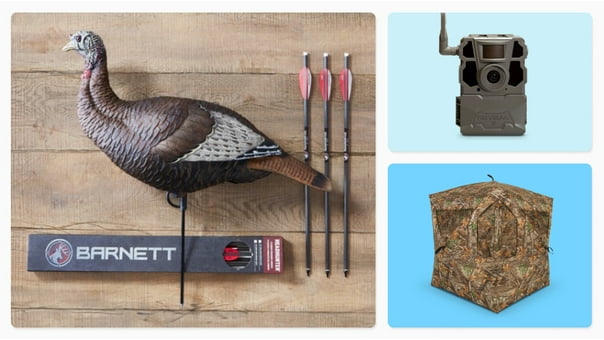
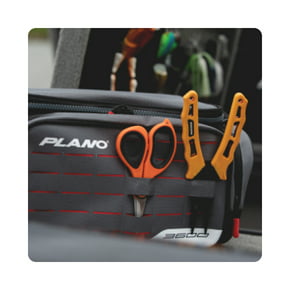

Hunting Essentials
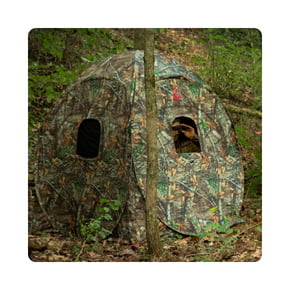

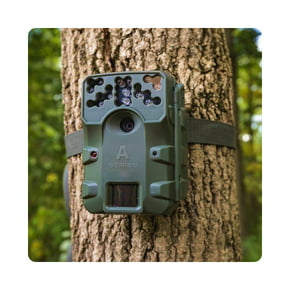
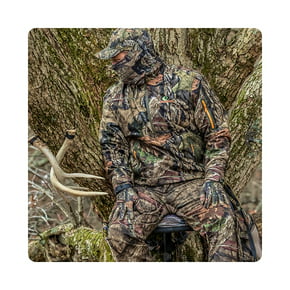
Kayaks



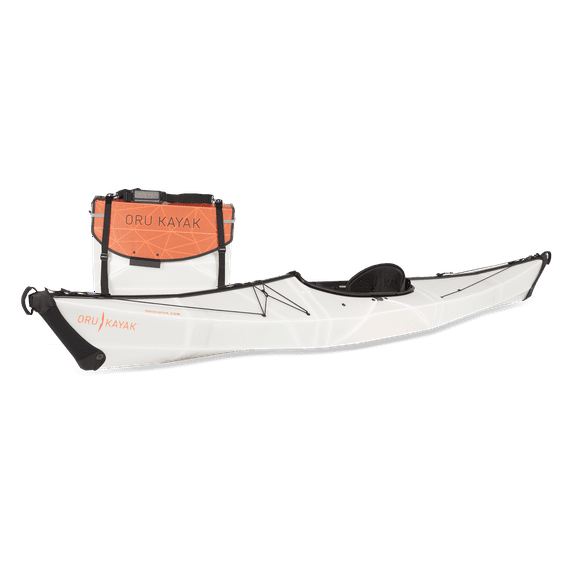
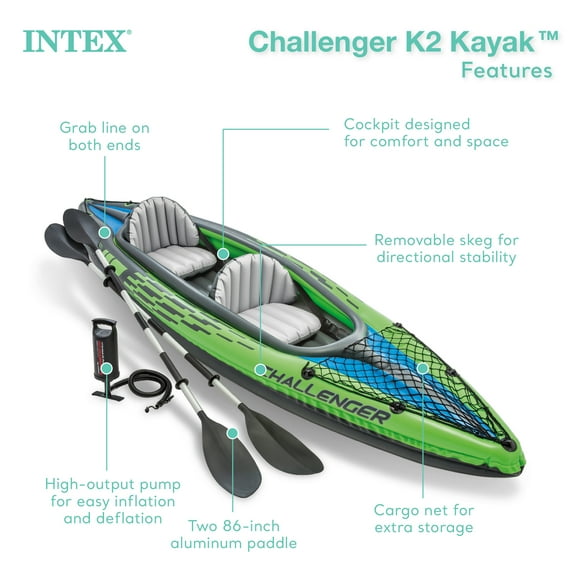
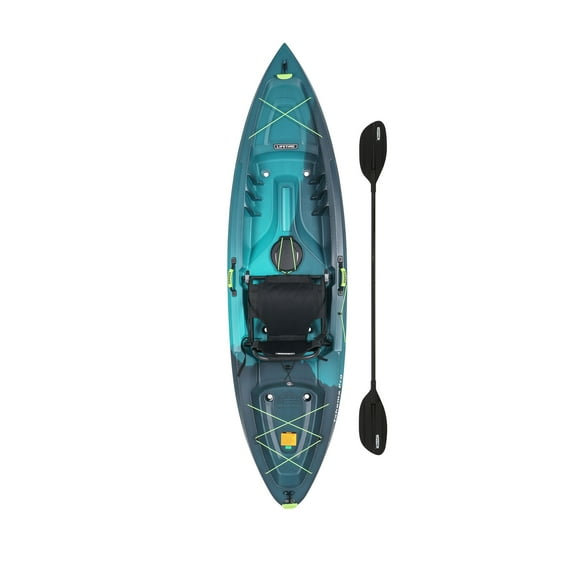


Save on every adventure
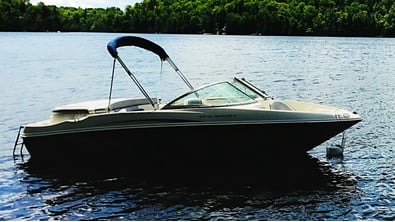


Shop boating & marine



Dress for the elements




Explore by brand





FAQ
About Outdoor Sports - Walmart.com
Tires help you match your vehicle, your driving habits, and your road conditions with confidence. You can compare tires by size, season, vehicle type, and performance rating in one place.
When you shop this category, you can narrow options for passenger cars, SUVs, light trucks, and performance vehicles. You can also connect your choice with tire installation services, which makes your next replacement feel straightforward.
How to choose tires for your vehicle
You should start with the size printed on your current sidewall or listed in your owner's manual. You may see width, aspect ratio, and wheel diameter together, and each number affects fit.
For example, you might shop 15 inch, 16 inch, 17 inch, 18 inch, or 20 inch options. You should match the full size code, because the right diameter alone doesn't confirm proper fit.
You can also check load index and speed rating before you choose. These markings tell you how much weight your tires support and the speed range they suit.
Key benefits of shopping car tires by category
You can compare car tires quickly when you organize major decisions into clear groups. That means you can move from size questions to season needs without guessing.
If you drive through changing weather, all season tires give you versatile everyday coverage. If you face cold roads and snow, winter tires give you tread patterns built for those conditions.
When you drive a pickup or SUV, truck tires and all terrain tires help you match pavement use with rough routes. If you focus on smooth commuting, touring and highway choices support a quiet feel.
- You can filter by tire size to narrow fit for your wheel diameter.
- You can compare all-season, winter, and summer options for your climate.
- You can match passenger car, SUV, light truck, or performance needs.
- You can review touring, highway, all-terrain, and mud-terrain patterns.
- You can connect tire selection with installation services for a complete purchase.
You may also compare familiar names, including Goodyear tires and Michelin tires, within the same shopping path. That helps you balance brand preference with the size and rating your vehicle requires.
Choosing tires by size and ratings
You should treat tires by size as your first filter, because fit drives every other decision. A sidewall code combines width, aspect ratio, and wheel diameter, and you need all three.
Width affects the tire's footprint on the road, while aspect ratio describes sidewall height. Wheel diameter tells you the rim size your tire fits, which is why 17 inch and 18 inch choices differ.
You should also compare treadwear expectations when you want tires that align with your mileage habits. A long-lasting option may suit daily commuting, while another pattern may prioritize road feel.
Load index matters when you carry passengers, cargo, or equipment frequently. Speed rating matters when you want a tire matched to the pace your vehicle is designed to handle.
Comparing all season tires, winter tires, and summer options
You should choose seasonality based on the roads and temperatures you meet frequently. All season tires fit many drivers because they handle mixed weather and regular commuting well.
If your winters bring snow, slush, or frequent cold snaps, winter tires are highly suitable for that part of the year. Their tread design and cold-weather focus differ from tires built for warm pavement.
Summer choices fit drivers who want strong dry and wet road handling during warmer months. You should compare them carefully if your area sees large seasonal swings.
You can also compare all terrain tires when your routes mix pavement with gravel, dirt, or uneven surfaces. If you head onto deeper ruts or rough trails, mud-terrain patterns may fit your use well.
Matching tires to vehicle type and driving style
You should shop by vehicle type when your daily use sets different priorities. Passenger car tires often focus on commuting comfort, while SUV and light truck options address added load demands.
If you drive long highway miles, highway and touring categories usually align with steady road use. If you want responsive handling, performance-focused options may suit your vehicle's setup.
You can use these categories to avoid overbuying for roads you rarely drive. You can also avoid under-matching your tire choice when your vehicle carries gear, family, or weekend equipment.
For a work truck, you may look closely at truck tires with the right load index and tread pattern. For a sporty sedan, you may focus on speed rating, road feel, and size accuracy.
Using tires in real shopping situations
If you replace worn passenger car tires for daily commuting, you may start with your exact size and then compare touring or all-season patterns. That path keeps your search practical and organized.
When you outfit an SUV for changing weather, you might compare all season tires against winter tires by tread style and cold-road use. You can then confirm load index for passengers and cargo.
If your light truck sees paved roads during the week and dirt access roads on weekends, all terrain tires may fit your routine. You should still verify wheel diameter, width, and speed rating before checkout.
For a performance vehicle, you may compare summer or performance-focused options with close attention to size code accuracy. That helps you align handling expectations with the wheel setup already on your vehicle.
You can make an informed tire choice when you compare size, season, vehicle type, and ratings together. That approach helps you land on tires that fit correctly, wear appropriately, and support your everyday driving needs.
Related Links
- Shop all Hunting
- Archery
- Attractants & Scent Eliminators
- Binoculars
- Decoys
- Deer Feeders
- Game Calls
- Game Processing Equipment
- Hunting Accessories
- Hunting Backpacks
- Hunting Blinds
- Hunting Clothing
- Hunting Knives
- Hunting Sights
- Hunting Specialty Gear
- Metal Detectors
- Multi Tools
- Night Vision
- Range Gear
- Rangefinders
- Scopes
- Trail Cameras
- Treestands